Buy indignez-vous.be ?
We are moving the project
indignez-vous.be .
Are you interested in purchasing the domain
indignez-vous.be ?
domain@kv-gmbh.de · 0541-91531010
Buy indignez-vous.be ?
Is linguistic design the same as linguistic devices?
No, linguistic design and linguistic devices are not the same. Linguistic design refers to the overall structure and organization of language, including factors such as syntax, semantics, and discourse patterns. On the other hand, linguistic devices are specific techniques or tools used within language to achieve certain effects, such as metaphors, similes, or alliteration. While linguistic devices are a part of linguistic design, they are just one component of the broader concept. **
What are non-linguistic signs and linguistic signs?
Non-linguistic signs are symbols or signals that convey meaning without the use of language, such as traffic lights, facial expressions, or body language. These signs rely on visual cues or gestures to communicate information. On the other hand, linguistic signs are symbols that represent specific meanings within a particular language system, such as words, letters, or numbers. Linguistic signs rely on the conventions and rules of language to convey meaning. **


Similar search terms for Linguistic
Top-Angebote
Products related to Linguistic:
-
Wet Brush Justice league brosse à cheveux Supergirl and wonderwomen 1 pcsWet Brush Justice league, 1 pcs, Peignes et brosses à cheveux pour enfants pour femme, Pour obtenir une belle chevelure, il est essentiel d’utiliser des produits cosmétiques tels que le shampoing et l’après-shampoing, mais il est tout aussi important de démêler les cheveux régulièrement, correctement et avec la plus grande douceur. Voilà pourquoi vous aurez besoin de la brosse à cheveux Wet Brush Justice league . Accessoire indispensable pour vous coiffer au quotidien et réaliser des coiffures sophistiquées, elle complétera à merveille vos produits de soin capillaire et vous aidera à obtenir des cheveux encore plus doux, plus lisses, plus sains et plus agréables au toucher. Le produit : minimise les cheveux endommagés respectueux des cheveux et de la peau empêche les cheveux de se casser et de fourcher arrangement facile, même avec des cheveux mouillés design original Matériaux : poils synthétiques manche en plastique Mode d’emploi : Brossez vos cheveux lentement et doucement pour éviter de les abîmer.8,40 €*Shipping: 3,45 €Secure redirect to the provider
-
DIM Lot de 3 boxers Ultra ResistDétails produit • Boxer • Matière : coton • Lot de 4 • Ceinture contrastée • Coton stretch Composition et Entretien • 96% coton, 4% élasthanne • Pour l'entretien, merci de vous référer aux indications figurant sur l'étiquette du produit • OEKO-TEX® Standard 100. La certification OEKO-TEX® Standard 100 contrôle les substances nocives des produits textiles via un label indépendant et international.34,99 €*Shipping: 3,99 €Secure redirect to the provider
-
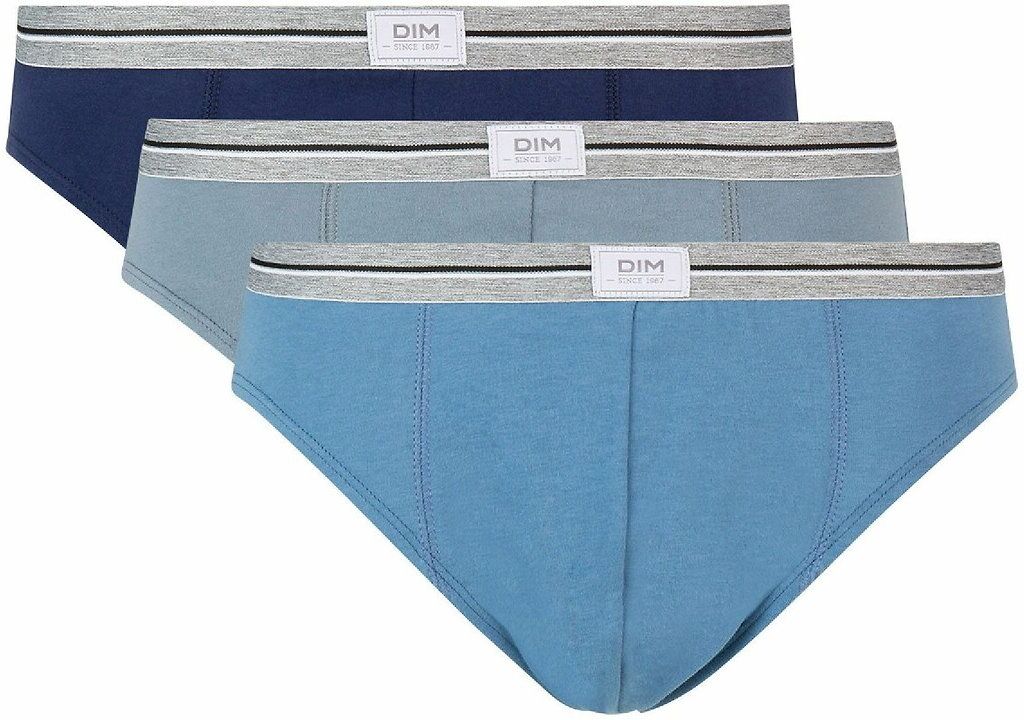
DIM Lot de 3 slips Ultra ResistDétails produit • Slip • Matière : coton • Ceinture élastiquée et siglée contrastante • Lot de 3 : coloris unis Composition et Entretien • 96% coton, 4% élasthanne • Pour l'entretien, merci de vous référer aux indications figurant sur l'étiquette du produit • OEKO-TEX® Standard 100. La certification OEKO-TEX® Standard 100 contrôle les substances nocives des produits textiles via un label indépendant et international.29,99 €*Shipping: 3,99 €Secure redirect to the provider


-
What are good examples of linguistic and non-linguistic images?
Good examples of linguistic images include descriptive language that paints a vivid picture in the reader's mind, such as "the sun hung low in the sky, casting a warm golden glow over the fields." Non-linguistic images can include photographs, paintings, or other visual art that convey a specific mood or message without the use of words. For example, a photograph of a stormy sea with dark, churning waves can evoke a sense of danger and power without any accompanying text. Both linguistic and non-linguistic images can be powerful tools for communication and expression. **
-
What is linguistic redundancy?
Linguistic redundancy refers to the use of unnecessary or repetitive words, phrases, or information in communication. It can often be seen as a form of over-explaining or providing more information than is needed to convey a message. While some level of redundancy can help clarify communication and ensure understanding, excessive redundancy can lead to inefficiency and confusion in language. Overall, linguistic redundancy can be both a helpful tool for emphasizing key points and a hindrance to clear and concise communication. **
-
What are linguistic peculiarities?
Linguistic peculiarities refer to unique or unusual features found in a language that set it apart from others. These can include specific grammar rules, pronunciation patterns, vocabulary choices, or cultural influences that shape the way a language is spoken or written. Linguistic peculiarities can vary widely from one language to another, making each language distinct and interesting in its own way. **
-
What are linguistic aspects?
Linguistic aspects refer to the different components of language that are studied in linguistics. These aspects include phonetics (the study of speech sounds), phonology (the study of sound patterns), morphology (the study of word structure), syntax (the study of sentence structure), semantics (the study of meaning), and pragmatics (the study of language use in context). Understanding these linguistic aspects helps us analyze and interpret language in a systematic way. **

What are linguistic features?
Linguistic features are the characteristics of language that help to distinguish one language from another or one dialect from another. These features can include phonological features (such as the sounds used in a language), morphological features (such as word formation and inflection), syntactic features (such as word order and sentence structure), and semantic features (such as the meaning of words and how they are used in context). Linguistic features are essential for understanding and analyzing language and are used by linguists to study and compare different languages and dialects. **
What are linguistic devices?
Linguistic devices are techniques and structures used in language to convey meaning, create emphasis, and evoke certain emotions or responses from the audience. These devices can include figurative language such as metaphors and similes, as well as rhetorical devices like repetition and parallelism. They are used by writers and speakers to enhance the impact and effectiveness of their communication, and can be found in various forms of literature, poetry, speeches, and everyday conversation. **
Top-Angebote
Products related to Linguistic:
-
Venira Rub-resist pommade 50 mlVenira Rub-resist, 50 ml, Produits pour le buste et le décolleté pour femme, Composition du produit : produit végétalien vitamine E : nourrit la peau, lui confère une protection antioxydante contre les dommages causés par les radicaux libres, aide à lutter contre les vergetures, contribue à lisser la peau et à la rendre plus ferme et plus souple extrait de calendula : exerce une action apaisante et antioxydante, lutte contre les irritations, les rougeurs et la sécheresse cutanées, favorise la régénération de la peau8,30 €*Shipping: 3,45 €Secure redirect to the provider
-
Wet Brush Justice league brosse à cheveux Supergirl and wonderwomen 1 pcsWet Brush Justice league, 1 pcs, Peignes et brosses à cheveux pour enfants pour femme, Pour obtenir une belle chevelure, il est essentiel d’utiliser des produits cosmétiques tels que le shampoing et l’après-shampoing, mais il est tout aussi important de démêler les cheveux régulièrement, correctement et avec la plus grande douceur. Voilà pourquoi vous aurez besoin de la brosse à cheveux Wet Brush Justice league . Accessoire indispensable pour vous coiffer au quotidien et réaliser des coiffures sophistiquées, elle complétera à merveille vos produits de soin capillaire et vous aidera à obtenir des cheveux encore plus doux, plus lisses, plus sains et plus agréables au toucher. Le produit : minimise les cheveux endommagés respectueux des cheveux et de la peau empêche les cheveux de se casser et de fourcher arrangement facile, même avec des cheveux mouillés design original Matériaux : poils synthétiques manche en plastique Mode d’emploi : Brossez vos cheveux lentement et doucement pour éviter de les abîmer.8,40 €*Shipping: 3,45 €Secure redirect to the provider
-
Is linguistic design the same as linguistic devices?
No, linguistic design and linguistic devices are not the same. Linguistic design refers to the overall structure and organization of language, including factors such as syntax, semantics, and discourse patterns. On the other hand, linguistic devices are specific techniques or tools used within language to achieve certain effects, such as metaphors, similes, or alliteration. While linguistic devices are a part of linguistic design, they are just one component of the broader concept. **
-
What are non-linguistic signs and linguistic signs?
Non-linguistic signs are symbols or signals that convey meaning without the use of language, such as traffic lights, facial expressions, or body language. These signs rely on visual cues or gestures to communicate information. On the other hand, linguistic signs are symbols that represent specific meanings within a particular language system, such as words, letters, or numbers. Linguistic signs rely on the conventions and rules of language to convey meaning. **
-
What are good examples of linguistic and non-linguistic images?
Good examples of linguistic images include descriptive language that paints a vivid picture in the reader's mind, such as "the sun hung low in the sky, casting a warm golden glow over the fields." Non-linguistic images can include photographs, paintings, or other visual art that convey a specific mood or message without the use of words. For example, a photograph of a stormy sea with dark, churning waves can evoke a sense of danger and power without any accompanying text. Both linguistic and non-linguistic images can be powerful tools for communication and expression. **
-
What is linguistic redundancy?
Linguistic redundancy refers to the use of unnecessary or repetitive words, phrases, or information in communication. It can often be seen as a form of over-explaining or providing more information than is needed to convey a message. While some level of redundancy can help clarify communication and ensure understanding, excessive redundancy can lead to inefficiency and confusion in language. Overall, linguistic redundancy can be both a helpful tool for emphasizing key points and a hindrance to clear and concise communication. **
Similar search terms for Linguistic
-
DIM Lot de 3 boxers Ultra ResistDétails produit • Boxer • Matière : coton • Lot de 4 • Ceinture contrastée • Coton stretch Composition et Entretien • 96% coton, 4% élasthanne • Pour l'entretien, merci de vous référer aux indications figurant sur l'étiquette du produit • OEKO-TEX® Standard 100. La certification OEKO-TEX® Standard 100 contrôle les substances nocives des produits textiles via un label indépendant et international.34,99 €*Shipping: 3,99 €Secure redirect to the provider
-
DIM Lot de 3 slips Ultra ResistDétails produit • Slip • Matière : coton • Ceinture élastiquée et siglée contrastante • Lot de 3 : coloris unis Composition et Entretien • 96% coton, 4% élasthanne • Pour l'entretien, merci de vous référer aux indications figurant sur l'étiquette du produit • OEKO-TEX® Standard 100. La certification OEKO-TEX® Standard 100 contrôle les substances nocives des produits textiles via un label indépendant et international.29,99 €*Shipping: 3,99 €Secure redirect to the provider
-
L’Oréal Paris Elseve Full Resist masque cheveux 300 mlL’Oréal Paris Elseve Full Resist, 300 ml, Masques cheveux pour femme, Vos cheveux ont besoin d’un produit aux effets plus intenses que ceux offerts par les après-shampoing ou les baumes capillaires ? Optez donc pour le masque capillaire L’Oréal Paris Elseve Full Resist. Il constituera un excellent complément à votre routine et, grâce à sa teneur élevée en actifs nourrissants destinés à pallier certains problèmes, redonnera vitalité et beauté à vos cheveux. Il pénètre en profondeur dans les fibres capillaires, les renforce, les nourrit intensément, favorise leur régénération et lisse leur surface. Irrésistiblement doux au toucher, les cheveux brillent de mille feux et sont plus résistants aux agressions extérieures. Le produit : régénère les cheveux sur toute leur longueur agit efficacement contre la chute des cheveux renforce la fibre capillaire facilite le coiffage, évitant ainsi d’endommager les cheveux les cheveux sont doux au toucher Composition du produit : sans silicones Mode d’emploi : Appliquez sur les cheveux humides qui viennent d’être lavés aux shampoing. Laissez agir pendant toute la durée indiquée sur l’emballage, puis rincez abondamment.5,44 €*Shipping: 3,45 €Secure redirect to the provider
-
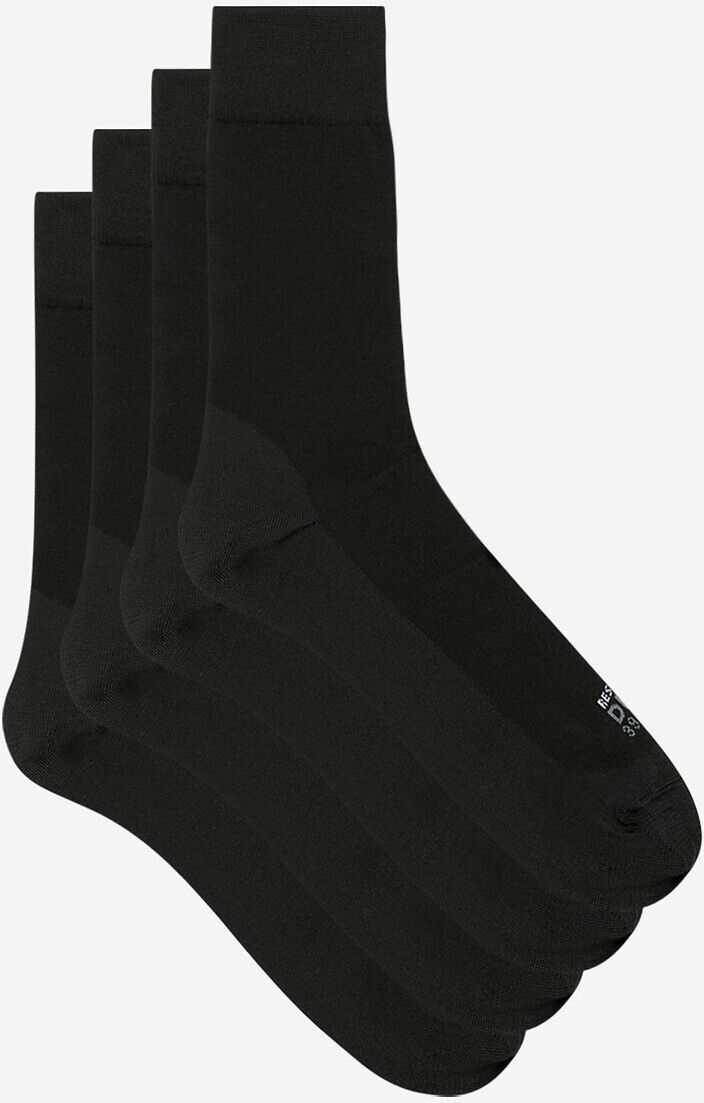
DIM Lot de 2 paires de chaussettes ULTRA RESISTDétails produit • Lot de 2 paires de chaussettes Composition et Entretien • 61% coton, 37% polyamide, 2% élasthanne • Pour l'entretien, merci de vous référer aux indications figurant sur l'étiquette du produit • OEKO-TEX® Standard 100. La certification OEKO-TEX® Standard 100 contrôle les substances nocives des produits textiles via un label indépendant et international.15,99 €*Shipping: 3,99 €Secure redirect to the provider
-
What are linguistic peculiarities?
Linguistic peculiarities refer to unique or unusual features found in a language that set it apart from others. These can include specific grammar rules, pronunciation patterns, vocabulary choices, or cultural influences that shape the way a language is spoken or written. Linguistic peculiarities can vary widely from one language to another, making each language distinct and interesting in its own way. **
-
What are linguistic aspects?
Linguistic aspects refer to the different components of language that are studied in linguistics. These aspects include phonetics (the study of speech sounds), phonology (the study of sound patterns), morphology (the study of word structure), syntax (the study of sentence structure), semantics (the study of meaning), and pragmatics (the study of language use in context). Understanding these linguistic aspects helps us analyze and interpret language in a systematic way. **
-
What are linguistic features?
Linguistic features are the characteristics of language that help to distinguish one language from another or one dialect from another. These features can include phonological features (such as the sounds used in a language), morphological features (such as word formation and inflection), syntactic features (such as word order and sentence structure), and semantic features (such as the meaning of words and how they are used in context). Linguistic features are essential for understanding and analyzing language and are used by linguists to study and compare different languages and dialects. **
-
What are linguistic devices?
Linguistic devices are techniques and structures used in language to convey meaning, create emphasis, and evoke certain emotions or responses from the audience. These devices can include figurative language such as metaphors and similes, as well as rhetorical devices like repetition and parallelism. They are used by writers and speakers to enhance the impact and effectiveness of their communication, and can be found in various forms of literature, poetry, speeches, and everyday conversation. **
* All prices are inclusive of VAT and, if applicable, plus shipping costs. The offer information is based on the details provided by the respective shop and is updated through automated processes. Real-time updates do not occur, so deviations can occur in individual cases. ** Note: Parts of this content were created by AI.