Buy indignez-vous.be ?
We are moving the project
indignez-vous.be .
Are you interested in purchasing the domain
indignez-vous.be ?
domain@kv-gmbh.de · 0541-91531010
Buy indignez-vous.be ?
Who are Bosniaks?
Bosniaks are a South Slavic ethnic group primarily associated with Bosnia and Herzegovina. They are predominantly Muslim and have a distinct cultural and linguistic identity. Bosniaks have a rich history that includes a mix of Slavic, Ottoman, and European influences. They have faced challenges throughout history, including the Bosnian War in the 1990s, but have continued to maintain their cultural heritage and traditions. **
Are Bosniaks related to Turks?
The Bosniaks are a South Slavic ethnic group native to Bosnia and Herzegovina, and they have a complex ethnic and cultural heritage. While there has been historical interaction and influence between the Bosniaks and the Turks due to the Ottoman Empire's rule in the region for several centuries, it is important to note that the Bosniaks are not directly related to the Turks in terms of their ethnic origins. The Bosniaks have a distinct Slavic ancestry and language, and their cultural and religious identity has been shaped by a combination of influences from various civilizations, including the Ottoman Turkish influence. **

Similar search terms for Bosniaks
Top-Angebote
Products related to Bosniaks:
-
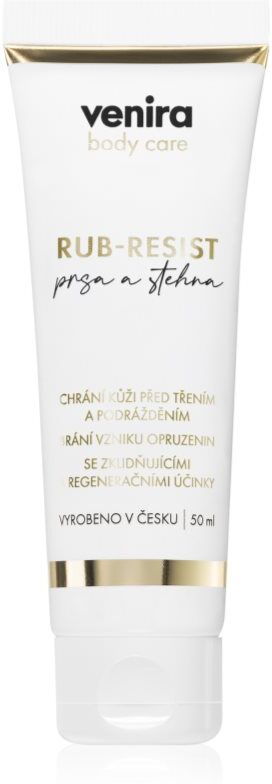
Venira Rub-resist pommade 50 mlVenira Rub-resist, 50 ml, Produits pour le buste et le décolleté pour femme, Composition du produit : produit végétalien vitamine E : nourrit la peau, lui confère une protection antioxydante contre les dommages causés par les radicaux libres, aide à lutter contre les vergetures, contribue à lisser la peau et à la rendre plus ferme et plus souple extrait de calendula : exerce une action apaisante et antioxydante, lutte contre les irritations, les rougeurs et la sécheresse cutanées, favorise la régénération de la peau8,30 €*Shipping: 3,45 €Secure redirect to the provider
-
DIM Lot de 3 boxers Ultra ResistDétails produit • Boxer • Matière : coton • Lot de 4 • Ceinture contrastée • Coton stretch Composition et Entretien • 96% coton, 4% élasthanne • Pour l'entretien, merci de vous référer aux indications figurant sur l'étiquette du produit • OEKO-TEX® Standard 100. La certification OEKO-TEX® Standard 100 contrôle les substances nocives des produits textiles via un label indépendant et international.34,99 €*Shipping: 3,99 €Secure redirect to the provider
-
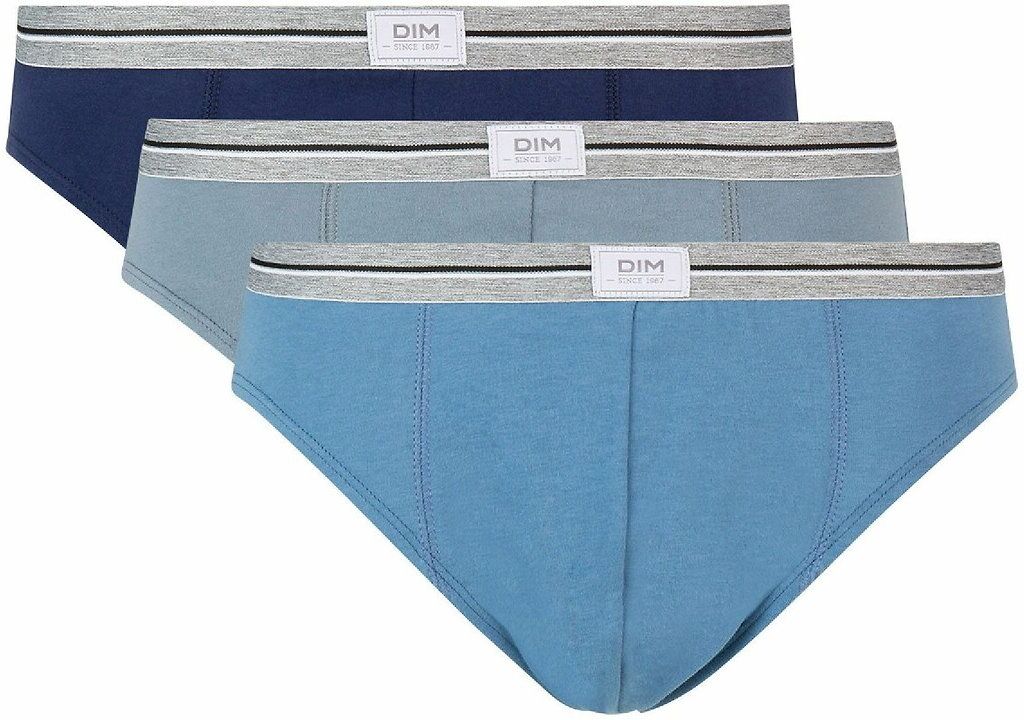
DIM Lot de 3 slips Ultra ResistDétails produit • Slip • Matière : coton • Ceinture élastiquée et siglée contrastante • Lot de 3 : coloris unis Composition et Entretien • 96% coton, 4% élasthanne • Pour l'entretien, merci de vous référer aux indications figurant sur l'étiquette du produit • OEKO-TEX® Standard 100. La certification OEKO-TEX® Standard 100 contrôle les substances nocives des produits textiles via un label indépendant et international.29,99 €*Shipping: 3,99 €Secure redirect to the provider


-
What is the descent of the Bosniaks?
The Bosniaks are a South Slavic ethnic group primarily associated with Bosnia and Herzegovina. Their descent can be traced back to the medieval Bosnian Kingdom, which was a melting pot of different ethnic groups, including Slavs, Illyrians, and later, Ottoman Turks. Over time, the Bosniaks developed a unique cultural and religious identity, with the majority of them adhering to Islam. The historical and cultural influences from various civilizations, such as the Byzantine, Ottoman, and Austro-Hungarian empires, have contributed to the diverse and multi-faceted identity of the Bosniak people. **
-
Are today's Bosniaks actually not Muslim Croats?
No, today's Bosniaks are not simply Muslim Croats. While it is true that many Bosniaks have a shared history with the Croat people and have cultural and linguistic ties to them, Bosniaks have their own distinct identity and heritage. The majority of Bosniaks are Muslim, while Croats are predominantly Catholic. Additionally, Bosniaks have a unique history and cultural heritage that sets them apart from other ethnic groups in the region. Therefore, it is not accurate to simply categorize Bosniaks as Muslim Croats. **
-
Why do Bosniaks tend to support Albanians more than Serbs?
Bosniaks tend to support Albanians more than Serbs due to historical and cultural ties. Both Bosniaks and Albanians are predominantly Muslim and have faced similar challenges in the Balkans, including discrimination and conflict with Serbs. Additionally, Bosniaks and Albanians have a shared experience of seeking independence and self-determination, which creates a sense of solidarity between the two groups. On the other hand, the relationship between Bosniaks and Serbs has been strained due to the Bosnian War in the 1990s, during which Bosniaks suffered greatly at the hands of Serbian forces. These factors contribute to the stronger support that Bosniaks tend to show towards Albanians compared to Serbs. **
-
Why do Bosnians, Bosniaks, and Croats actually hate each other?
The animosity between Bosnians, Bosniaks, and Croats is rooted in a complex history of ethnic and religious tensions. The region has a long history of ethnic and religious diversity, and these differences have often been a source of conflict. The breakup of Yugoslavia in the 1990s led to a brutal war in Bosnia and Herzegovina, during which all three groups committed atrocities against each other. This has left deep scars and a legacy of mistrust and resentment. Additionally, political and economic factors have also contributed to the ongoing tensions between these groups. **

'Participate or empower?'
Participate and empower are both important concepts in creating positive change. Participating involves actively engaging in activities, discussions, and decision-making processes. Empowering, on the other hand, involves giving individuals the tools, resources, and support they need to take control of their own lives and make their own decisions. Both are important in creating inclusive and sustainable change, as participation allows for diverse perspectives and voices to be heard, while empowerment enables individuals to take ownership of their own lives and communities. Ultimately, a combination of both participation and empowerment is necessary for creating meaningful and lasting change. **
Why do we say "vous vous" twice?
In French, the use of "vous vous" twice is a reflexive construction that emphasizes the reciprocal nature of the action. By repeating the pronoun, it highlights that the action is being done by both parties involved. This repetition is necessary to convey the idea of mutual or reciprocal action, such as when saying "vous vous aimez" (you love each other) or "vous vous parlez" (you talk to each other). **
Top-Angebote
Products related to Bosniaks:
-
Wet Brush Justice league brosse à cheveux Supergirl and wonderwomen 1 pcsWet Brush Justice league, 1 pcs, Peignes et brosses à cheveux pour enfants pour femme, Pour obtenir une belle chevelure, il est essentiel d’utiliser des produits cosmétiques tels que le shampoing et l’après-shampoing, mais il est tout aussi important de démêler les cheveux régulièrement, correctement et avec la plus grande douceur. Voilà pourquoi vous aurez besoin de la brosse à cheveux Wet Brush Justice league . Accessoire indispensable pour vous coiffer au quotidien et réaliser des coiffures sophistiquées, elle complétera à merveille vos produits de soin capillaire et vous aidera à obtenir des cheveux encore plus doux, plus lisses, plus sains et plus agréables au toucher. Le produit : minimise les cheveux endommagés respectueux des cheveux et de la peau empêche les cheveux de se casser et de fourcher arrangement facile, même avec des cheveux mouillés design original Matériaux : poils synthétiques manche en plastique Mode d’emploi : Brossez vos cheveux lentement et doucement pour éviter de les abîmer.8,40 €*Shipping: 3,45 €Secure redirect to the provider
-
Venira Rub-resist pommade 50 mlVenira Rub-resist, 50 ml, Produits pour le buste et le décolleté pour femme, Composition du produit : produit végétalien vitamine E : nourrit la peau, lui confère une protection antioxydante contre les dommages causés par les radicaux libres, aide à lutter contre les vergetures, contribue à lisser la peau et à la rendre plus ferme et plus souple extrait de calendula : exerce une action apaisante et antioxydante, lutte contre les irritations, les rougeurs et la sécheresse cutanées, favorise la régénération de la peau8,30 €*Shipping: 3,45 €Secure redirect to the provider
-
Who are Bosniaks?
Bosniaks are a South Slavic ethnic group primarily associated with Bosnia and Herzegovina. They are predominantly Muslim and have a distinct cultural and linguistic identity. Bosniaks have a rich history that includes a mix of Slavic, Ottoman, and European influences. They have faced challenges throughout history, including the Bosnian War in the 1990s, but have continued to maintain their cultural heritage and traditions. **
-
Are Bosniaks related to Turks?
The Bosniaks are a South Slavic ethnic group native to Bosnia and Herzegovina, and they have a complex ethnic and cultural heritage. While there has been historical interaction and influence between the Bosniaks and the Turks due to the Ottoman Empire's rule in the region for several centuries, it is important to note that the Bosniaks are not directly related to the Turks in terms of their ethnic origins. The Bosniaks have a distinct Slavic ancestry and language, and their cultural and religious identity has been shaped by a combination of influences from various civilizations, including the Ottoman Turkish influence. **
-
What is the descent of the Bosniaks?
The Bosniaks are a South Slavic ethnic group primarily associated with Bosnia and Herzegovina. Their descent can be traced back to the medieval Bosnian Kingdom, which was a melting pot of different ethnic groups, including Slavs, Illyrians, and later, Ottoman Turks. Over time, the Bosniaks developed a unique cultural and religious identity, with the majority of them adhering to Islam. The historical and cultural influences from various civilizations, such as the Byzantine, Ottoman, and Austro-Hungarian empires, have contributed to the diverse and multi-faceted identity of the Bosniak people. **
-
Are today's Bosniaks actually not Muslim Croats?
No, today's Bosniaks are not simply Muslim Croats. While it is true that many Bosniaks have a shared history with the Croat people and have cultural and linguistic ties to them, Bosniaks have their own distinct identity and heritage. The majority of Bosniaks are Muslim, while Croats are predominantly Catholic. Additionally, Bosniaks have a unique history and cultural heritage that sets them apart from other ethnic groups in the region. Therefore, it is not accurate to simply categorize Bosniaks as Muslim Croats. **
Similar search terms for Bosniaks
-
DIM Lot de 3 boxers Ultra ResistDétails produit • Boxer • Matière : coton • Lot de 4 • Ceinture contrastée • Coton stretch Composition et Entretien • 96% coton, 4% élasthanne • Pour l'entretien, merci de vous référer aux indications figurant sur l'étiquette du produit • OEKO-TEX® Standard 100. La certification OEKO-TEX® Standard 100 contrôle les substances nocives des produits textiles via un label indépendant et international.34,99 €*Shipping: 3,99 €Secure redirect to the provider
-
DIM Lot de 3 slips Ultra ResistDétails produit • Slip • Matière : coton • Ceinture élastiquée et siglée contrastante • Lot de 3 : coloris unis Composition et Entretien • 96% coton, 4% élasthanne • Pour l'entretien, merci de vous référer aux indications figurant sur l'étiquette du produit • OEKO-TEX® Standard 100. La certification OEKO-TEX® Standard 100 contrôle les substances nocives des produits textiles via un label indépendant et international.29,99 €*Shipping: 3,99 €Secure redirect to the provider
-
L’Oréal Paris Elseve Full Resist masque cheveux 300 mlL’Oréal Paris Elseve Full Resist, 300 ml, Masques cheveux pour femme, Vos cheveux ont besoin d’un produit aux effets plus intenses que ceux offerts par les après-shampoing ou les baumes capillaires ? Optez donc pour le masque capillaire L’Oréal Paris Elseve Full Resist. Il constituera un excellent complément à votre routine et, grâce à sa teneur élevée en actifs nourrissants destinés à pallier certains problèmes, redonnera vitalité et beauté à vos cheveux. Il pénètre en profondeur dans les fibres capillaires, les renforce, les nourrit intensément, favorise leur régénération et lisse leur surface. Irrésistiblement doux au toucher, les cheveux brillent de mille feux et sont plus résistants aux agressions extérieures. Le produit : régénère les cheveux sur toute leur longueur agit efficacement contre la chute des cheveux renforce la fibre capillaire facilite le coiffage, évitant ainsi d’endommager les cheveux les cheveux sont doux au toucher Composition du produit : sans silicones Mode d’emploi : Appliquez sur les cheveux humides qui viennent d’être lavés aux shampoing. Laissez agir pendant toute la durée indiquée sur l’emballage, puis rincez abondamment.5,44 €*Shipping: 3,45 €Secure redirect to the provider
-
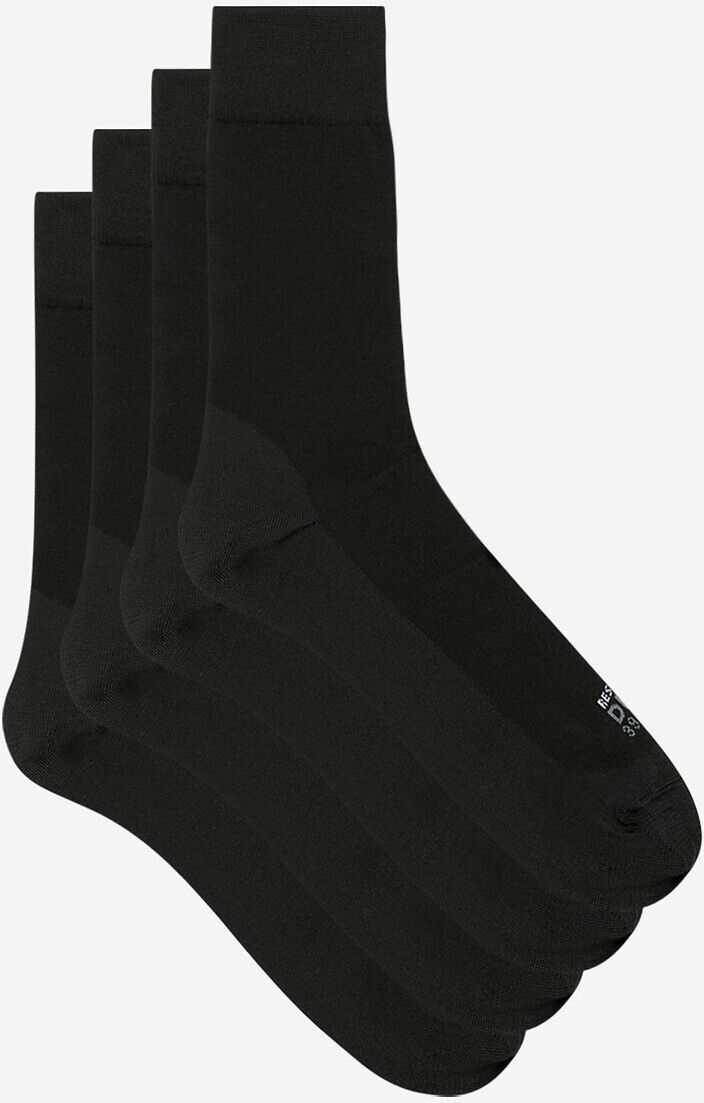
DIM Lot de 2 paires de chaussettes ULTRA RESISTDétails produit • Lot de 2 paires de chaussettes Composition et Entretien • 61% coton, 37% polyamide, 2% élasthanne • Pour l'entretien, merci de vous référer aux indications figurant sur l'étiquette du produit • OEKO-TEX® Standard 100. La certification OEKO-TEX® Standard 100 contrôle les substances nocives des produits textiles via un label indépendant et international.15,99 €*Shipping: 3,99 €Secure redirect to the provider
-
Why do Bosniaks tend to support Albanians more than Serbs?
Bosniaks tend to support Albanians more than Serbs due to historical and cultural ties. Both Bosniaks and Albanians are predominantly Muslim and have faced similar challenges in the Balkans, including discrimination and conflict with Serbs. Additionally, Bosniaks and Albanians have a shared experience of seeking independence and self-determination, which creates a sense of solidarity between the two groups. On the other hand, the relationship between Bosniaks and Serbs has been strained due to the Bosnian War in the 1990s, during which Bosniaks suffered greatly at the hands of Serbian forces. These factors contribute to the stronger support that Bosniaks tend to show towards Albanians compared to Serbs. **
-
Why do Bosnians, Bosniaks, and Croats actually hate each other?
The animosity between Bosnians, Bosniaks, and Croats is rooted in a complex history of ethnic and religious tensions. The region has a long history of ethnic and religious diversity, and these differences have often been a source of conflict. The breakup of Yugoslavia in the 1990s led to a brutal war in Bosnia and Herzegovina, during which all three groups committed atrocities against each other. This has left deep scars and a legacy of mistrust and resentment. Additionally, political and economic factors have also contributed to the ongoing tensions between these groups. **
-
'Participate or empower?'
Participate and empower are both important concepts in creating positive change. Participating involves actively engaging in activities, discussions, and decision-making processes. Empowering, on the other hand, involves giving individuals the tools, resources, and support they need to take control of their own lives and make their own decisions. Both are important in creating inclusive and sustainable change, as participation allows for diverse perspectives and voices to be heard, while empowerment enables individuals to take ownership of their own lives and communities. Ultimately, a combination of both participation and empowerment is necessary for creating meaningful and lasting change. **
-
Why do we say "vous vous" twice?
In French, the use of "vous vous" twice is a reflexive construction that emphasizes the reciprocal nature of the action. By repeating the pronoun, it highlights that the action is being done by both parties involved. This repetition is necessary to convey the idea of mutual or reciprocal action, such as when saying "vous vous aimez" (you love each other) or "vous vous parlez" (you talk to each other). **
* All prices are inclusive of VAT and, if applicable, plus shipping costs. The offer information is based on the details provided by the respective shop and is updated through automated processes. Real-time updates do not occur, so deviations can occur in individual cases. ** Note: Parts of this content were created by AI.