Buy indignez-vous.be ?
We are moving the project
indignez-vous.be .
Are you interested in purchasing the domain
indignez-vous.be ?
domain@kv-gmbh.de · 0541-91531010
Buy indignez-vous.be ?
What is the difference between Economies of Scale and Economies of Scope?
Economies of scale refer to the cost advantages that a business can achieve as it increases its level of production. This can result from factors such as spreading fixed costs over a larger output, bulk purchasing discounts, and more efficient use of resources. On the other hand, economies of scope refer to the cost advantages that arise from producing a variety of products or services together, rather than just one. This can result from shared resources, such as marketing and distribution channels, as well as the ability to leverage a company's core competencies across multiple products or services. **
What are the Tiger economies?
The Tiger economies refer to the highly developed and industrialized economies of East Asia, including South Korea, Taiwan, Singapore, and Hong Kong. These countries experienced rapid economic growth and industrialization in the latter half of the 20th century, transforming from agrarian-based economies to industrial powerhouses. The term "Tiger economies" is derived from the "Four Asian Tigers," which originally referred to South Korea, Taiwan, Singapore, and Hong Kong, but has since been expanded to include other rapidly developing economies in the region. These countries are known for their export-oriented growth strategies, strong manufacturing sectors, and high levels of technological innovation. **


Similar search terms for Economies
Top-Angebote
Products related to Economies:
-
Wet Brush Justice league brosse à cheveux Supergirl and wonderwomen 1 pcsWet Brush Justice league, 1 pcs, Peignes et brosses à cheveux pour enfants pour femme, Pour obtenir une belle chevelure, il est essentiel d’utiliser des produits cosmétiques tels que le shampoing et l’après-shampoing, mais il est tout aussi important de démêler les cheveux régulièrement, correctement et avec la plus grande douceur. Voilà pourquoi vous aurez besoin de la brosse à cheveux Wet Brush Justice league . Accessoire indispensable pour vous coiffer au quotidien et réaliser des coiffures sophistiquées, elle complétera à merveille vos produits de soin capillaire et vous aidera à obtenir des cheveux encore plus doux, plus lisses, plus sains et plus agréables au toucher. Le produit : minimise les cheveux endommagés respectueux des cheveux et de la peau empêche les cheveux de se casser et de fourcher arrangement facile, même avec des cheveux mouillés design original Matériaux : poils synthétiques manche en plastique Mode d’emploi : Brossez vos cheveux lentement et doucement pour éviter de les abîmer.8,40 €*Shipping: 3,45 €Secure redirect to the provider
-
DIM Lot de 3 boxers Ultra ResistDétails produit • Boxer • Matière : coton • Lot de 4 • Ceinture contrastée • Coton stretch Composition et Entretien • 96% coton, 4% élasthanne • Pour l'entretien, merci de vous référer aux indications figurant sur l'étiquette du produit • OEKO-TEX® Standard 100. La certification OEKO-TEX® Standard 100 contrôle les substances nocives des produits textiles via un label indépendant et international.34,99 €*Shipping: 3,99 €Secure redirect to the provider
-
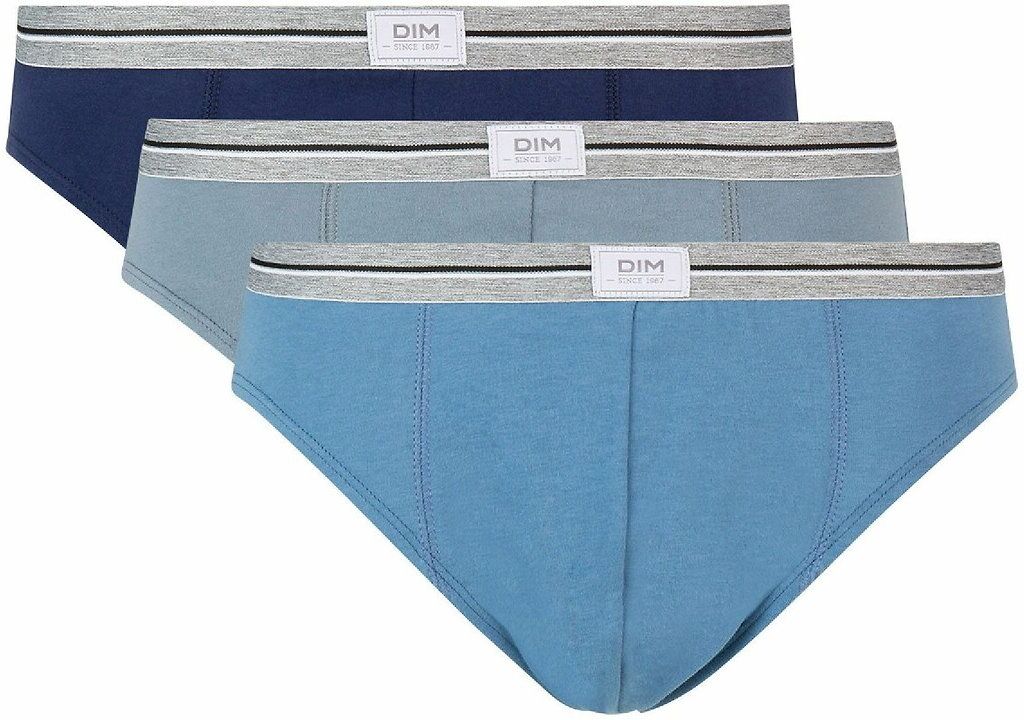
DIM Lot de 3 slips Ultra ResistDétails produit • Slip • Matière : coton • Ceinture élastiquée et siglée contrastante • Lot de 3 : coloris unis Composition et Entretien • 96% coton, 4% élasthanne • Pour l'entretien, merci de vous référer aux indications figurant sur l'étiquette du produit • OEKO-TEX® Standard 100. La certification OEKO-TEX® Standard 100 contrôle les substances nocives des produits textiles via un label indépendant et international.29,99 €*Shipping: 3,99 €Secure redirect to the provider


-
Are the Tiger economies emerging markets?
Yes, the Tiger economies are considered emerging markets. The term "Tiger economies" refers to the rapidly growing economies of South Korea, Taiwan, Singapore, and Hong Kong. These countries have experienced rapid industrialization, export-led growth, and technological advancement, leading to significant economic development. While they have made great strides in their economic growth, they are still considered emerging markets due to their ongoing development and potential for further growth and expansion. **
-
What are the similarities between planned and market economies?
Both planned and market economies aim to allocate resources efficiently to meet the needs of the society. Both systems involve the production and distribution of goods and services to fulfill demand. Additionally, both systems involve some level of government intervention, with planned economies having more centralized control and market economies having more decentralized decision-making. Both systems also aim to achieve economic growth and improve the standard of living for their citizens. **
-
What is the difference between emerging economies and developing countries?
Emerging economies refer to countries that are experiencing rapid industrialization and growth, often transitioning from a low-income to a middle-income status. Developing countries, on the other hand, are nations that are still in the early stages of economic development, with lower levels of income, infrastructure, and industrialization. While all emerging economies are developing countries, not all developing countries are considered emerging economies. Emerging economies typically have higher growth rates and more advanced industries compared to developing countries. **
-
Can the economies of Sweden and China be easily compared?
The economies of Sweden and China cannot be easily compared due to their significant differences in size, structure, and development. Sweden has a small, open, and highly developed economy with a focus on innovation, technology, and high-value exports. On the other hand, China has a large, diverse, and rapidly growing economy with a focus on manufacturing, infrastructure development, and export-led growth. Additionally, Sweden has a strong welfare state and high levels of income equality, while China has a more diverse income distribution and a different approach to social welfare. Overall, the differences in size, structure, and development make it challenging to directly compare the economies of Sweden and China. **

What is the difference between developing countries and emerging economies?
Developing countries and emerging economies are often used interchangeably, but there is a subtle difference between the two. Developing countries typically refer to nations with low levels of industrialization, low per capita income, and high poverty rates. On the other hand, emerging economies are countries that are experiencing rapid economic growth, industrialization, and modernization, and are moving towards becoming developed nations. Emerging economies often have higher levels of foreign direct investment, infrastructure development, and technological advancement compared to developing countries. **
What are the advantages and disadvantages of barter and monetary economies?
Barter economies allow for the direct exchange of goods and services without the need for a common medium of exchange, which can be advantageous in a situation where there is a lack of currency or a stable monetary system. However, barter economies can be inefficient and time-consuming, as finding someone who has what you need and also wants what you have can be challenging. On the other hand, monetary economies provide a widely accepted medium of exchange, making transactions more convenient and efficient. However, they can also lead to issues such as inflation, economic inequality, and the potential for financial crises. **
Top-Angebote
Products related to Economies:
-
Venira Rub-resist pommade 50 mlVenira Rub-resist, 50 ml, Produits pour le buste et le décolleté pour femme, Composition du produit : produit végétalien vitamine E : nourrit la peau, lui confère une protection antioxydante contre les dommages causés par les radicaux libres, aide à lutter contre les vergetures, contribue à lisser la peau et à la rendre plus ferme et plus souple extrait de calendula : exerce une action apaisante et antioxydante, lutte contre les irritations, les rougeurs et la sécheresse cutanées, favorise la régénération de la peau8,30 €*Shipping: 3,45 €Secure redirect to the provider
-
Wet Brush Justice league brosse à cheveux Supergirl and wonderwomen 1 pcsWet Brush Justice league, 1 pcs, Peignes et brosses à cheveux pour enfants pour femme, Pour obtenir une belle chevelure, il est essentiel d’utiliser des produits cosmétiques tels que le shampoing et l’après-shampoing, mais il est tout aussi important de démêler les cheveux régulièrement, correctement et avec la plus grande douceur. Voilà pourquoi vous aurez besoin de la brosse à cheveux Wet Brush Justice league . Accessoire indispensable pour vous coiffer au quotidien et réaliser des coiffures sophistiquées, elle complétera à merveille vos produits de soin capillaire et vous aidera à obtenir des cheveux encore plus doux, plus lisses, plus sains et plus agréables au toucher. Le produit : minimise les cheveux endommagés respectueux des cheveux et de la peau empêche les cheveux de se casser et de fourcher arrangement facile, même avec des cheveux mouillés design original Matériaux : poils synthétiques manche en plastique Mode d’emploi : Brossez vos cheveux lentement et doucement pour éviter de les abîmer.8,40 €*Shipping: 3,45 €Secure redirect to the provider
-
What is the difference between Economies of Scale and Economies of Scope?
Economies of scale refer to the cost advantages that a business can achieve as it increases its level of production. This can result from factors such as spreading fixed costs over a larger output, bulk purchasing discounts, and more efficient use of resources. On the other hand, economies of scope refer to the cost advantages that arise from producing a variety of products or services together, rather than just one. This can result from shared resources, such as marketing and distribution channels, as well as the ability to leverage a company's core competencies across multiple products or services. **
-
What are the Tiger economies?
The Tiger economies refer to the highly developed and industrialized economies of East Asia, including South Korea, Taiwan, Singapore, and Hong Kong. These countries experienced rapid economic growth and industrialization in the latter half of the 20th century, transforming from agrarian-based economies to industrial powerhouses. The term "Tiger economies" is derived from the "Four Asian Tigers," which originally referred to South Korea, Taiwan, Singapore, and Hong Kong, but has since been expanded to include other rapidly developing economies in the region. These countries are known for their export-oriented growth strategies, strong manufacturing sectors, and high levels of technological innovation. **
-
Are the Tiger economies emerging markets?
Yes, the Tiger economies are considered emerging markets. The term "Tiger economies" refers to the rapidly growing economies of South Korea, Taiwan, Singapore, and Hong Kong. These countries have experienced rapid industrialization, export-led growth, and technological advancement, leading to significant economic development. While they have made great strides in their economic growth, they are still considered emerging markets due to their ongoing development and potential for further growth and expansion. **
-
What are the similarities between planned and market economies?
Both planned and market economies aim to allocate resources efficiently to meet the needs of the society. Both systems involve the production and distribution of goods and services to fulfill demand. Additionally, both systems involve some level of government intervention, with planned economies having more centralized control and market economies having more decentralized decision-making. Both systems also aim to achieve economic growth and improve the standard of living for their citizens. **
Similar search terms for Economies
-
DIM Lot de 3 boxers Ultra ResistDétails produit • Boxer • Matière : coton • Lot de 4 • Ceinture contrastée • Coton stretch Composition et Entretien • 96% coton, 4% élasthanne • Pour l'entretien, merci de vous référer aux indications figurant sur l'étiquette du produit • OEKO-TEX® Standard 100. La certification OEKO-TEX® Standard 100 contrôle les substances nocives des produits textiles via un label indépendant et international.34,99 €*Shipping: 3,99 €Secure redirect to the provider
-
DIM Lot de 3 slips Ultra ResistDétails produit • Slip • Matière : coton • Ceinture élastiquée et siglée contrastante • Lot de 3 : coloris unis Composition et Entretien • 96% coton, 4% élasthanne • Pour l'entretien, merci de vous référer aux indications figurant sur l'étiquette du produit • OEKO-TEX® Standard 100. La certification OEKO-TEX® Standard 100 contrôle les substances nocives des produits textiles via un label indépendant et international.29,99 €*Shipping: 3,99 €Secure redirect to the provider
-
L’Oréal Paris Elseve Full Resist masque cheveux 300 mlL’Oréal Paris Elseve Full Resist, 300 ml, Masques cheveux pour femme, Vos cheveux ont besoin d’un produit aux effets plus intenses que ceux offerts par les après-shampoing ou les baumes capillaires ? Optez donc pour le masque capillaire L’Oréal Paris Elseve Full Resist. Il constituera un excellent complément à votre routine et, grâce à sa teneur élevée en actifs nourrissants destinés à pallier certains problèmes, redonnera vitalité et beauté à vos cheveux. Il pénètre en profondeur dans les fibres capillaires, les renforce, les nourrit intensément, favorise leur régénération et lisse leur surface. Irrésistiblement doux au toucher, les cheveux brillent de mille feux et sont plus résistants aux agressions extérieures. Le produit : régénère les cheveux sur toute leur longueur agit efficacement contre la chute des cheveux renforce la fibre capillaire facilite le coiffage, évitant ainsi d’endommager les cheveux les cheveux sont doux au toucher Composition du produit : sans silicones Mode d’emploi : Appliquez sur les cheveux humides qui viennent d’être lavés aux shampoing. Laissez agir pendant toute la durée indiquée sur l’emballage, puis rincez abondamment.5,44 €*Shipping: 3,45 €Secure redirect to the provider
-
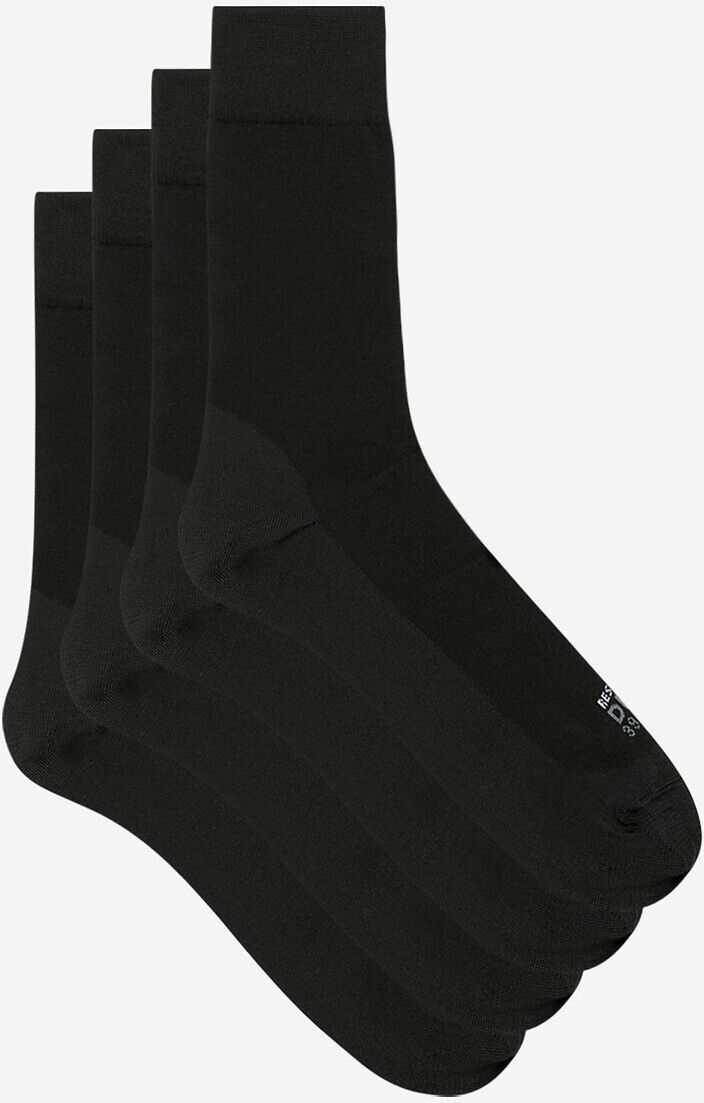
DIM Lot de 2 paires de chaussettes ULTRA RESISTDétails produit • Lot de 2 paires de chaussettes Composition et Entretien • 61% coton, 37% polyamide, 2% élasthanne • Pour l'entretien, merci de vous référer aux indications figurant sur l'étiquette du produit • OEKO-TEX® Standard 100. La certification OEKO-TEX® Standard 100 contrôle les substances nocives des produits textiles via un label indépendant et international.15,99 €*Shipping: 3,99 €Secure redirect to the provider
-
What is the difference between emerging economies and developing countries?
Emerging economies refer to countries that are experiencing rapid industrialization and growth, often transitioning from a low-income to a middle-income status. Developing countries, on the other hand, are nations that are still in the early stages of economic development, with lower levels of income, infrastructure, and industrialization. While all emerging economies are developing countries, not all developing countries are considered emerging economies. Emerging economies typically have higher growth rates and more advanced industries compared to developing countries. **
-
Can the economies of Sweden and China be easily compared?
The economies of Sweden and China cannot be easily compared due to their significant differences in size, structure, and development. Sweden has a small, open, and highly developed economy with a focus on innovation, technology, and high-value exports. On the other hand, China has a large, diverse, and rapidly growing economy with a focus on manufacturing, infrastructure development, and export-led growth. Additionally, Sweden has a strong welfare state and high levels of income equality, while China has a more diverse income distribution and a different approach to social welfare. Overall, the differences in size, structure, and development make it challenging to directly compare the economies of Sweden and China. **
-
What is the difference between developing countries and emerging economies?
Developing countries and emerging economies are often used interchangeably, but there is a subtle difference between the two. Developing countries typically refer to nations with low levels of industrialization, low per capita income, and high poverty rates. On the other hand, emerging economies are countries that are experiencing rapid economic growth, industrialization, and modernization, and are moving towards becoming developed nations. Emerging economies often have higher levels of foreign direct investment, infrastructure development, and technological advancement compared to developing countries. **
-
What are the advantages and disadvantages of barter and monetary economies?
Barter economies allow for the direct exchange of goods and services without the need for a common medium of exchange, which can be advantageous in a situation where there is a lack of currency or a stable monetary system. However, barter economies can be inefficient and time-consuming, as finding someone who has what you need and also wants what you have can be challenging. On the other hand, monetary economies provide a widely accepted medium of exchange, making transactions more convenient and efficient. However, they can also lead to issues such as inflation, economic inequality, and the potential for financial crises. **
* All prices are inclusive of VAT and, if applicable, plus shipping costs. The offer information is based on the details provided by the respective shop and is updated through automated processes. Real-time updates do not occur, so deviations can occur in individual cases. ** Note: Parts of this content were created by AI.